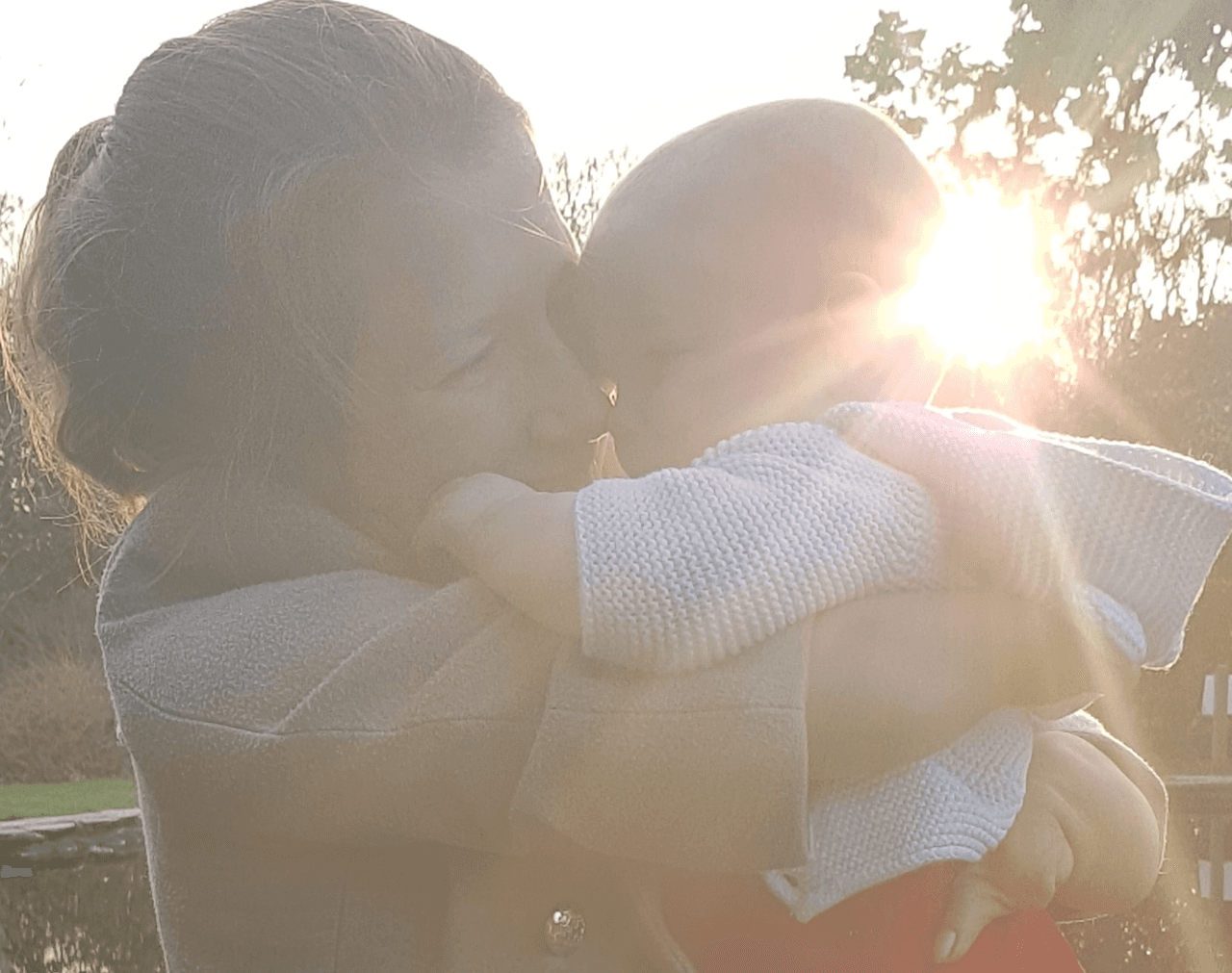
Marie Tidball MP, made a powerful speech in the International Women’s Day debate in Parliament, calling for action to end inequalities in maternity care for disabled women.
The MP opened up about her own experience as a disabled mother, which began full of joy and empowerment.
“The first time I saw the sculpture of Alison Lapper Pregnant in Trafalgar Square, it took my breath away. It said I exist, bodies like mine exist and therein there is beauty. We shall no-longer be invisible.”
“When I found out I was pregnant in 2017, I was filled with joy, excitement and a deep connection to my body and unborn child. Growing up, the absence of disabled women’s representation in discussions on sexuality, relationships, menstruation, menopause and maternity left me with a painful feeling that my womanhood did not count. That it was vitiated by my visible, physical disability. By contrast, when I was pregnant, my body was no longer just a topic of medical scrutiny, my womanhood was no longer invisible.
“I wanted my maternity to be embraced by a healthcare system that supported me in my journey. But that was not my reality. Instead, this system was unprepared for a body like mine.”
However, Dr Tidball made clear the there was a lack awareness of how her disability and maternity would interact, and the continuous barriers she faced at every stage of her pregnancy, birth, and post-natal care.
“Early on, I was triaged to a Genetic Counselling service – which made me feel ashamed. I was left feeling devasted. I had to be induced at 37 weeks; leading to a caesarean section. My core muscles were severely debilitated. After birth, I was given an en-suite hospital room, but the bathroom was inaccessible. The very space that was meant to aid my recovery became another barrier. Upon discharge, the disability occupational therapy team, had no specialist advice on how I could breastfeed outside my home, carry my baby. I became increasingly dependent on family members. I was exhausted and lost my confidence. Not because of anything I had done, but because the structures that were meant to support me did not know how to do so.”
The speech comes after a landmark report was released this week by the London School of Hygiene and Tropical Medicine, exposing the critical inequalities for maternity care access, experiences and outcomes for disabled women.
Yet, UK maternity policy continues to overlook disabled women’s needs. In 2017, the UN Committee on the Rights of Disabled People raised concerns that the UK had failed to mainstream disabled women’s rights on obstetric healthcare. The Conservative government failed to act on this, and 8 years later, nothing has changed.
During the speech, Marie Tidball called for improvements that need to be made, echoing many of the recommendations in the new Report.
“We need joined-up, meaningful, inclusive maternity care pathways throughout pregnancy, birth, and the postnatal period to improve access, experience and outcomes for disabled women.”
“Whilst I met some wonderful clinicians we must increase clinicians’ understanding through better training; and update clinical guidelines to secure appropriate care for disabled women during maternity. Finally, we must ensure healthcare facilities, equipment and information are accessible, and that reasonable adjustments to maternity wards enable disabled women to recover from birth with dignity.”
Dr Tidball’s campaign will bring together disabled women and organisations, to work with government, aiming to end the deep-rooted inequalities in maternity care. She highlighted “crucially there must be nothing about us, without us: disabled women must be central in improving maternity care services.”
Following the speech, Marie Tidball MP, Labour MP for Penistone and Stocksbridge, said:
“It is time for action. As one of the few physically disabled women Members of Parliament, I am determined to use my voice to help improve the lives of others.
Disabled women should experience high-quality inclusive maternity care. We must move beyond genetic counselling as a gateway to disabled women getting advice and support about our pregnancies.
The fight for equal maternity care is not just about policy changes; it is about justice. It is about health equality for disabled women - ensuring that every woman, can experience pregnancy and motherhood with the dignity, respect, and support that we deserve. I will not stop until that vision becomes a reality.”
News
Loading posts...